
Homily for the First Sunday of Lent
February 22, 2026
St. Patrick Cathedral
Fort Worth, Texas
Genesis 2:7-9, 3:1-7
Psalm 51:3-4, 5-6, 12-13, 17
Romans 5:12-19
Matthew 4:1-11
The drama of temptation by the devil entices us to think that we can battle temptation alone without God. Our first parents, Adam and Eve, prior to their fall into sin, entered into dialogue with the devil about what God commanded them to do. Eve listens to the devil who tempts her and Adam to disobey God’s command to them not to even touch let alone eat the fruit of the tree of the knowledge of good and evil. The promise that the devil makes is that they will be like gods. To be like gods means that they will no longer be human in accord with the way God created them in their humanity. They will no longer have need for God nor to be in relationship with God. They would come to see God as a rival to their freedom and knowledge.
The drama of temptation of Jesus by the devil ends differently than that of Adam and Eve because it begins differently. Jesus, having been led by the Holy Spirit into the desert of the sinful human condition out of obedience to His heavenly Father encounters the cunning devil who approaches Him. The devil attempts to test Jesus through an accurate but faithless appeal to Scripture. The devil appropriates Scripture not out of reverence for the Word of God but out of cunning to manipulate it for his own purposes. These purposes include the destruction of human beings whom he hates for their being created in the image of God. Jesus, unlike Eve and Adam, does not enter into dialogue with the devil. He does not try to reason with the devil or to outdo the devil in argument. Jesus does not try to win a point in an argument over Scriptural interpretation with the devil “to be proven right.” He quotes Scripture with reverence as the Word made flesh, the fullness of revelation.
The lesson for us is not to entertain dialogue with the devil because he always sounds reasonable and employs rationality with false pity that flatters us. Jesus gives us the example of treating temptation as the sign to enter more deeply into conversation with God — prayer. In so doing, we find our place of belonging to God and to each other that is the position of loved children, and not rivals, of God. To have this comfort, we must know our limits which are not restraints but rather measurements that fit our relationship.
In his conversation with Eve, the devil tempts her into thinking that limits are unreasonable and that anyone, including God, who establishes them is an adversary to human triumph. The message is that God might be an acquaintance, but He is no friend if He has suggested limits to your capacities and freedom.
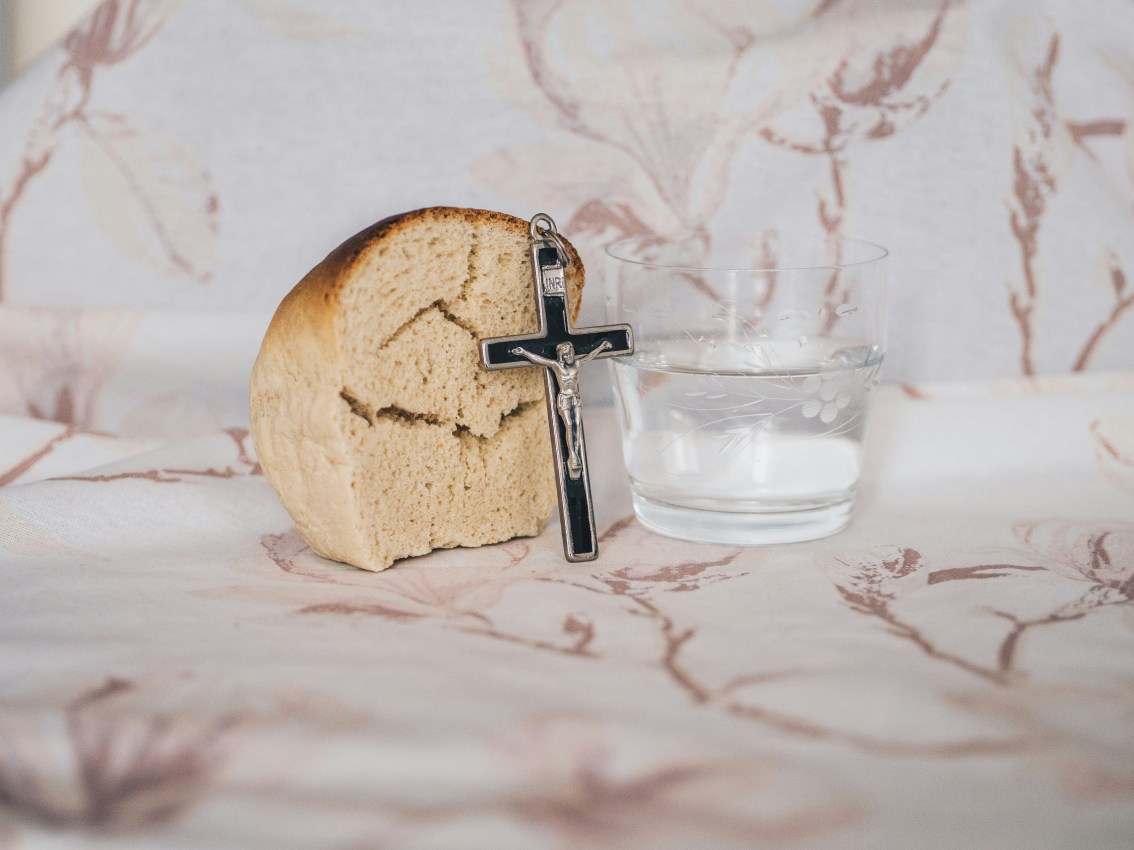
The Catechism of the Catholic Church teaches, “God created man in His image and established him in His friendship. A spiritual creature, man can live this friendship only in free submission to God. the prohibition against eating ‘of the tree of the knowledge of good and evil’ spells this out: ‘For in the day that you eat of it, you shall die.’ The ‘tree of the knowledge of good and evil’ symbolically evokes the insurmountable limits that man, being a creature, must freely recognize and respect with trust. Man is dependent on his Creator, and subject to the laws of creation and to the moral norms that govern the use of freedom.” (CCC #396) Fasting, almsgiving, and prayer calibrate rightly those insurmountable limits about which the Catechism teaches, and which are the boundaries of our friendship with God.
Our forty days in the wilderness of Lent is not meant to be an endurance contest whereby we outdo the devil in cunning or dialogue when he tempts us — we will lose unless we follow Jesus’ example. Our forty days in the wilderness of Lent is for us as the Church to be united through prayer, generosity with the poor, and fasting with Jesus who enters more deeply into the loving and filial relationship of obedience with the Father whereby we share in His triumph and grow in friendship through our share in His Cross.
 Life on the Chrism Trail