
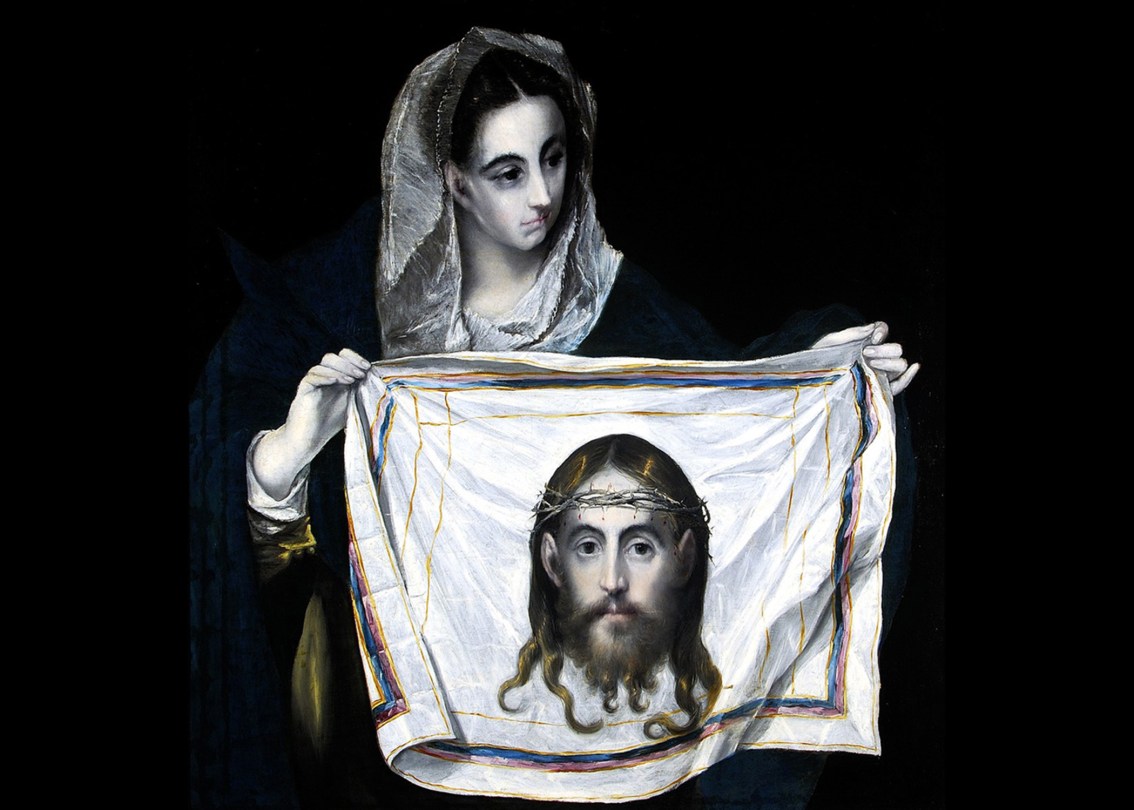
Homily for the Rite of Imposition of the Habit of the Discalced Nuns of the Order of the Most Blessed Virgin Mary of Mount Carmel upon Sister Veronica of the Holy Trinity
March 28, 2026
Carmel of Jesus Crucified
Muenster, Texas
Ezekiel 37:21-28
Jeremiah 31:10, 11-12abcd, 13
John 11:45-56
We are now on the cusp of Holy Week. Juxtaposed with the figure of the innocent and generous Lord Jesus, the Gospel presents the figure of Caiaphas, the politically pragmatic and cunning High Priest of the Temple who clearly states his strategy in dealing with Jesus, “You know nothing, nor do you consider that it is better for you that one man should die instead of the people, so that the whole nation may not perish.” Thereafter, the plan to kill Jesus is put into effect.
Read more…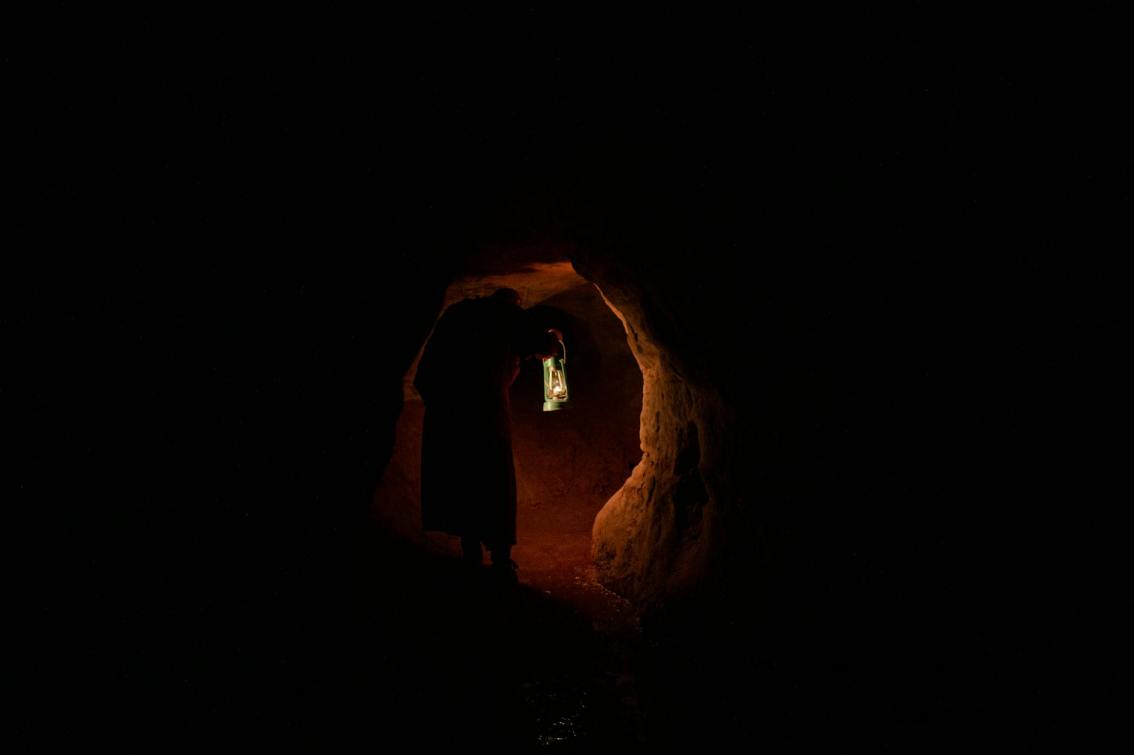
Homily for the Fifth Sunday of Lent
March 22, 2026
St. Patrick Cathedral
Fort Worth, Texas
Ezekiel 37:12-14
Psalm 130:1-2, 3-4, 5-6, 7-8
Romans 8:8-11
John 11:1-45
We are faced with a question that surfaces when reflecting upon this Gospel reading especially considering the circumstances of today. That question is, “What if when Jesus commanded Lazarus to come out, Lazarus had not bothered to respond and simply remained in the tomb?” This seems like a question that is ludicrous for us to consider. Which one of us would not respond to the command of Christ and instead prefer the darkness of the tomb bound up by the trappings of death? Which one of us would be indifferent to another opportunity to live life?
Read more…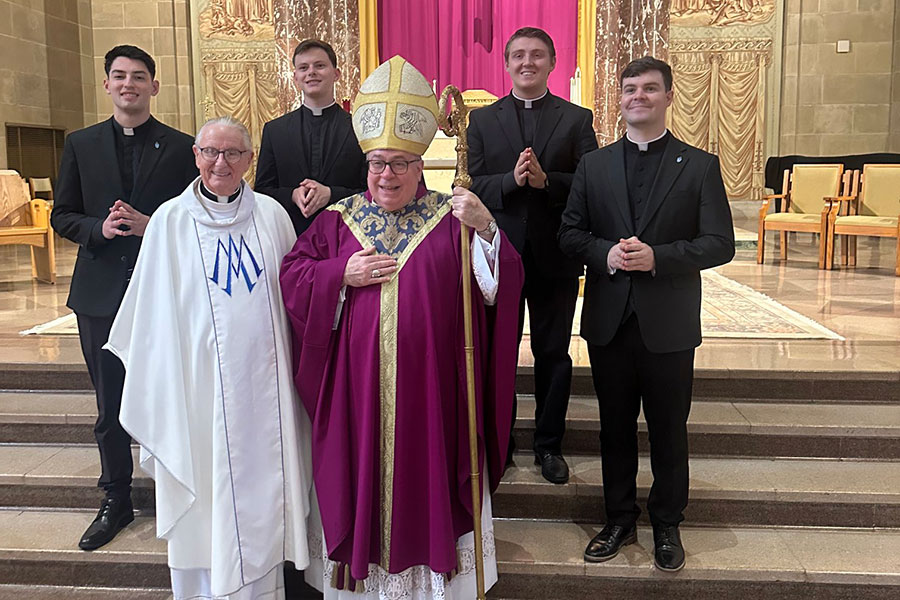
Homily for the Institution of Lectors and Acolytes
March 14, 2026
St. Mary’s Seminary
Baltimore, Maryland
Nehemiah 8:1-4, 5-6, 8-10
Psalm 145:10-11, 15-16, 17-18
Hebrews 9:11-15
Luke 24:44-48
The Word Proclaimed, the Word Made Present in Sacrifice, and the Word Entrusted to Witnesses for Mission. It is truly appropriate that we carry out the institution of both lectors and acolytes in the celebration of this Mass. Each of these ministries that mark your formation in the configuration stage of seminary formation can only be fully pondered and received in relation to each other as part of the Eucharistic mystery. There is an inherent unity in the Liturgy of the Word and the Liturgy of the Eucharist that together give life to the Church as intended by Christ. Pope Benedict XVI once taught, “The liturgy of the word and the Eucharistic liturgy, with the rites of introduction and conclusion, ‘are so closely interconnected that they form but one single act of worship.’ There is an intrinsic bond between the word of God and the Eucharist. From listening to the word of God, faith is born or strengthened (cf. Rom 10:17); in the Eucharist the Word made flesh gives Himself to us as our spiritual food.”
Read more…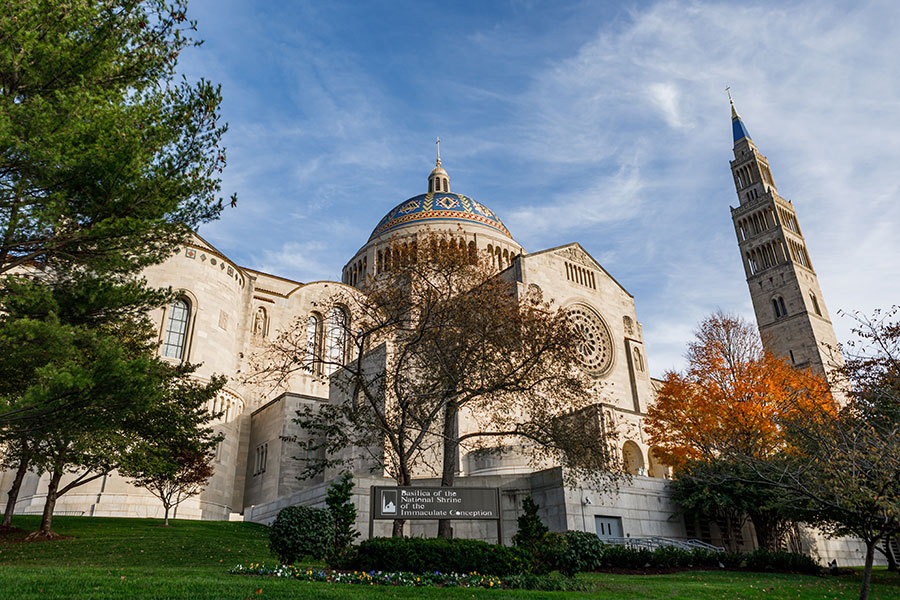
Homily for the Third Sunday of Lent
March 8, 2026
Basilica of the National Shrine of the Immaculate Conception
Washington, D.C.
Exodus 17:3-7
Psalm 95:1-2, 6-7, 8-9
Romans 5:1-2, 5-8
John 4:5-42
The woman whom Christ meets at the well is herself thirsty. If she is not physically thirsty, she is at the very least existentially unsatisfied and thirsting for meaning and for love. She has come to the well at the middle of the day, at a time when the women of the town would not have been at the well to draw water. They would have drawn water at the break of the day. Perhaps she has come to the well at that time so as to avoid the shame she would suffer from other women because of her sinful life. Perhaps, she came to the well at midday because she was sleeping at the earlier hour. Perhaps, she has come to the well to seek yet another husband — repeating the same behavior but expecting a different result. Yet, the point is that she has come to the well and she meets Christ, who asks her, a Samaritan, for a drink — because He Himself thirsts. He thirsts for her faith and for her repentance.
Read more…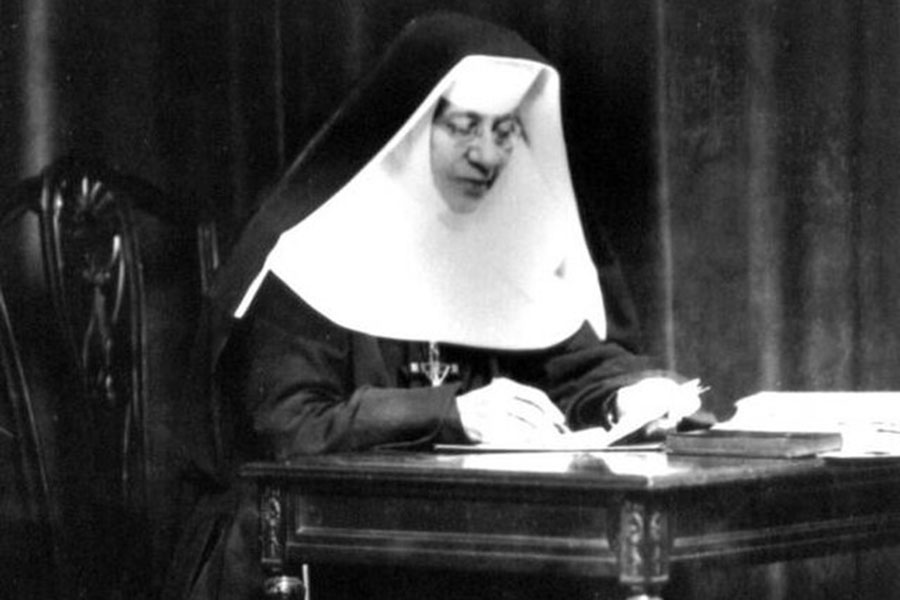
Homily for the Commemoration of Saint Katharine Drexel
March 3, 2026
Oblate School of Theology
San Antonio, Texas
Isaiah 1:10, 16-20
Psalm 50:8-9, 16bc-17, 21 and 23
Matthew 25:31-46
Isaiah addresses Judah with searing irony, calling them “rulers of Sodom.” The prophet speaks in a liturgical context — Temple sacrifice is ongoing — but God rejects it because it is unaccompanied by righteousness and just actions. Israel’s sin is not primarily ritual failure but ethical rupture. God’s invitation follows: “Though your sins be like scarlet, they may become white as snow.”
Read more…
Homily for the Monday of the Second Week of Lent
March 2, 2026
St. Mary’s Catholic Church
College Station, Texas
Deuteronomy 9:4b-10
Psalm 79:8, 9, 11, and 13
Romans 8:31b-34
Luke 6:36-38
Even people who have never held the Bible in their hands are familiar with this verse from Sacred Scripture. “Stop judging and you will not be judged. Stop condemning and you will not be condemned.” These profoundly serious words of Jesus are invoked frequently by some people as a justification for their own sinful habits. Of course, in recent years we frequently hear some do this by citing these words of Jesus in connection with the airplane quote of Pope Francis from several years ago taken out of context regarding homosexual acts: “Who am I to judge?”
Read more…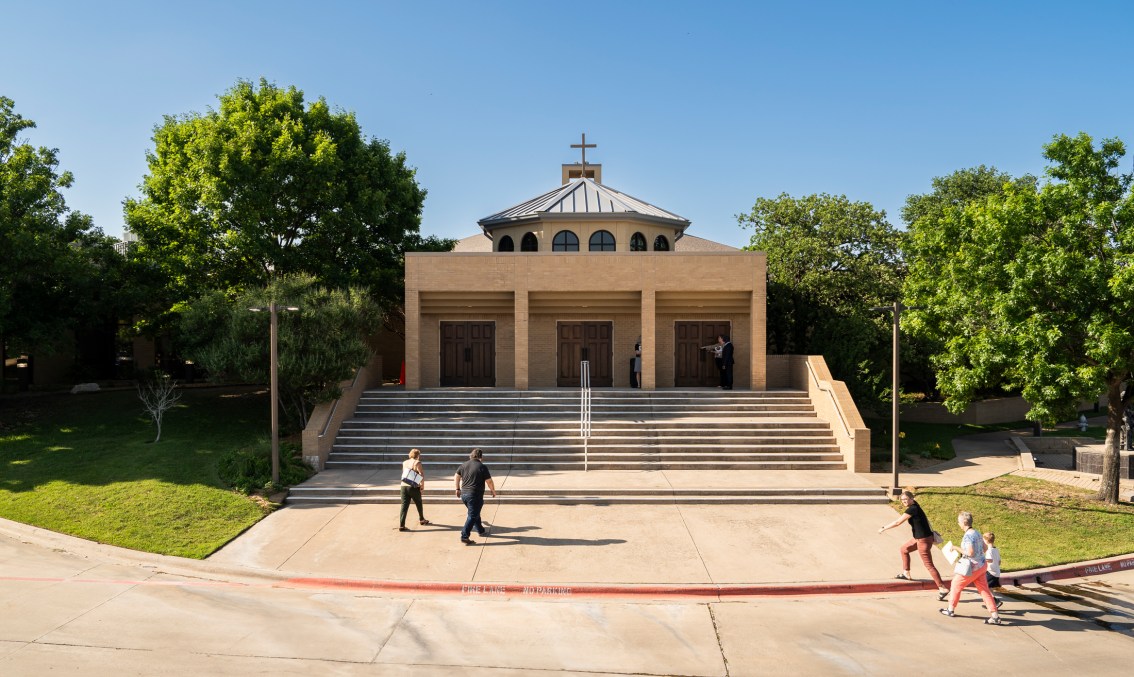
Homily for the Vigil for the Second Sunday of Lent
February 28, 2026
St. Vincent de Paul Catholic Church
Arlington, Texas
Genesis 12:1-4a
Psalm 33:4-5, 18-19, 20, 22
2nd Timothy 1:8b-10
Matthew 17:1-9
The first reading of this Sunday’s Mass presents the call of God to Abraham. At this time in his life, Abraham is seventy-five years old — a time that common sense tells us is too late to expect change from any human being. Those of us who have loved ones who have aged and entered the elder cohort of the human population or who have even themselves entered old age can attest to the wisdom of such proverbs as, “She is too set in her ways;” or also, “He is an example that you cannot teach an old dog new tricks.” Yet, the matters of vocation and conversion are not matters of human initiative, ingenuity, or will power.
Read more…
Homily for the First Sunday of Lent
February 22, 2026
St. Patrick Cathedral
Fort Worth, Texas
Genesis 2:7-9, 3:1-7
Psalm 51:3-4, 5-6, 12-13, 17
Romans 5:12-19
Matthew 4:1-11
The drama of temptation by the devil entices us to think that we can battle temptation alone without God. Our first parents, Adam and Eve, prior to their fall into sin, entered into dialogue with the devil about what God commanded them to do. Eve listens to the devil who tempts her and Adam to disobey God’s command to them not to even touch let alone eat the fruit of the tree of the knowledge of good and evil. The promise that the devil makes is that they will be like gods. To be like gods means that they will no longer be human in accord with the way God created them in their humanity. They will no longer have need for God nor to be in relationship with God. They would come to see God as a rival to their freedom and knowledge.
Read more… Life on the Chrism Trail
You must be logged in to post a comment.