
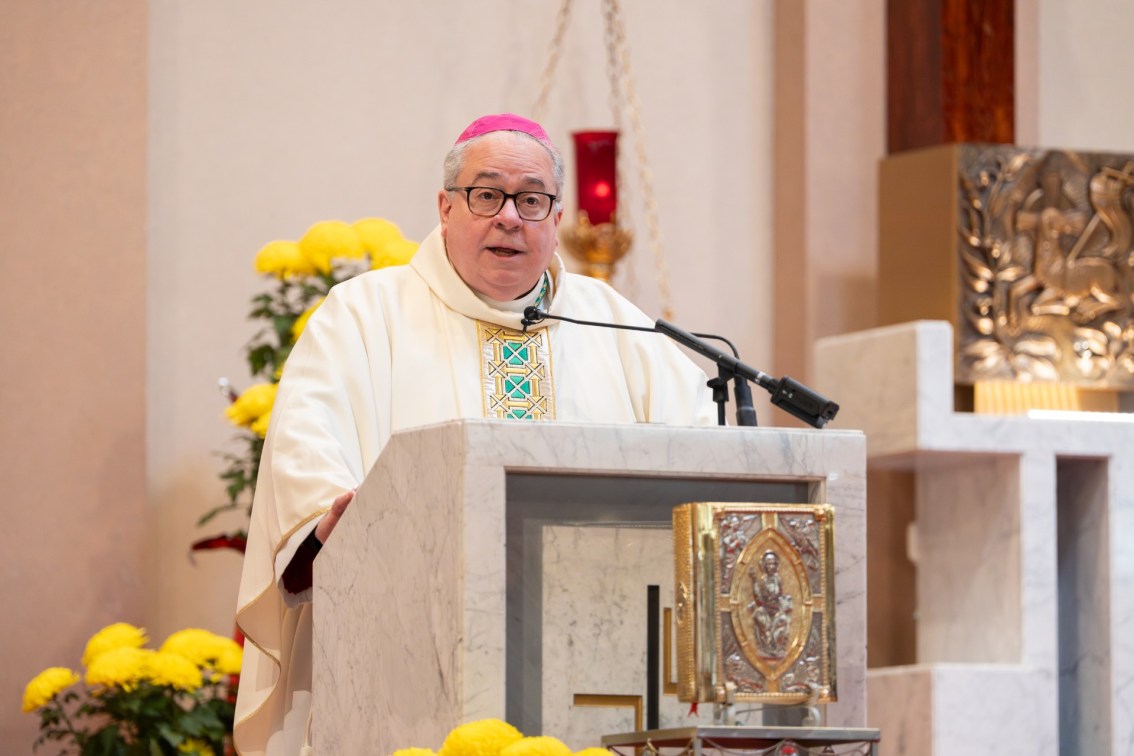
Homily for the Lunar New Year
February 15, 2026
Our Lady of Fatima Church
Fort Worth, Texas
Genesis 1:14-18
Psalm 8:4-5, 6-7, 8-9
Philippians 4:4-8
Matthew 6:25-34
We come together today to worship God in the offering of the Mass. We do so because God has revealed Himself fully to us through the Sacred Scriptures and fully in the gift of His Son Jesus Christ, who taught the Apostles and His earliest disciples to do this in His memory. We come together as members of His Holy Catholic Church in communion with the Church throughout the world.
Read more…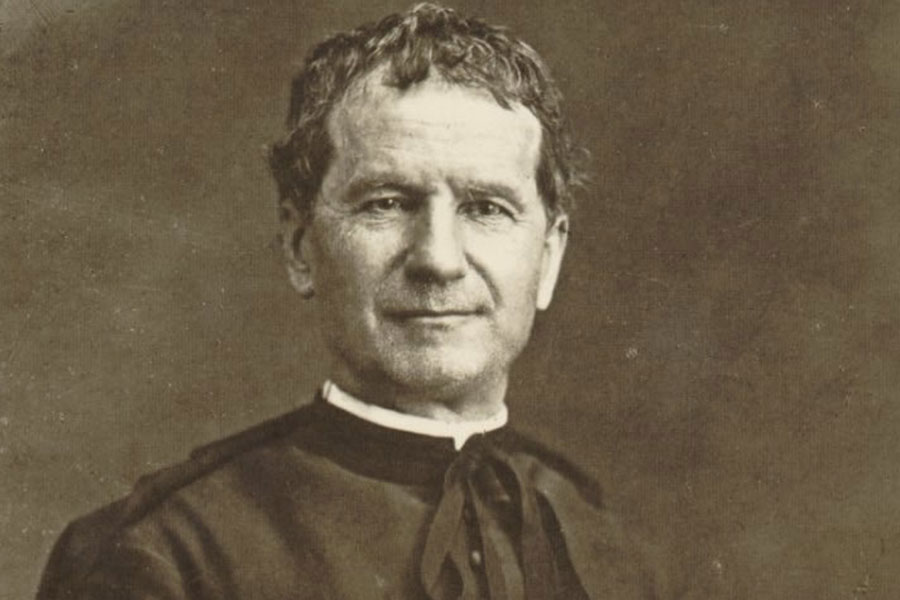
Homily for the Memorial of Saint John Bosco
January 31, 2026
Theological College
Washington, D.C.
Philippians 4:4-9
Psalm 103:1bc-2, 3-4, 8-9, 13-14, 17-18
Matthew 18:1-5
Today the Church offers us this liturgical Memorial of Saint John Bosco, a saint of the nineteenth century who was renowned for his humble dedication to the care and education of orphaned and abandoned boys and adolescents. He and his brother Salesians accepted the responsibility of care for these young men whom the world considered to be a burden on society.
Read more…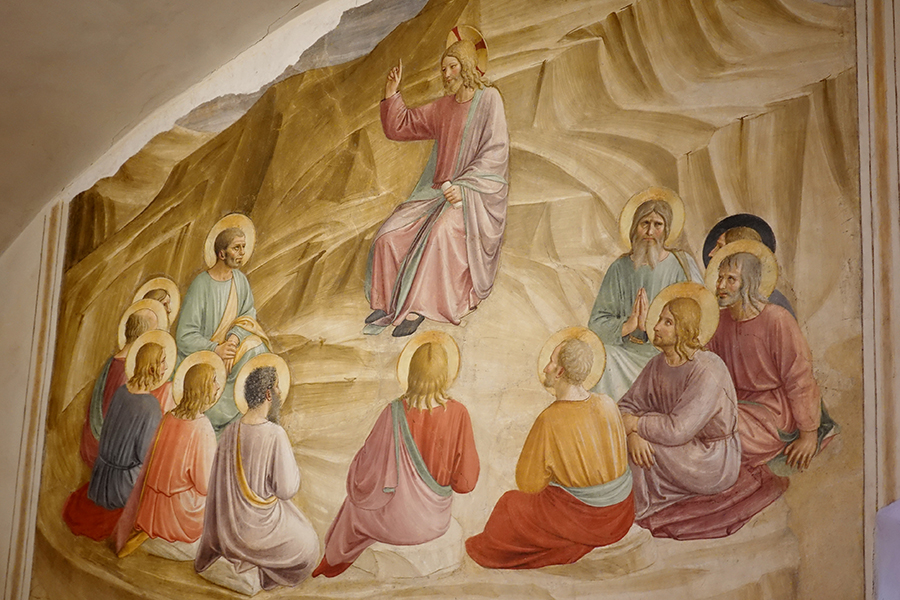
Homily for the Fourth Sunday in Ordinary Time
February 1, 2026
St. Patrick Cathedral
Fort Worth, Texas
Zephaniah 2:3, 3:12-13
Psalm 146
1st Corinthians 1:26-31
Matthew 5:1-12a
“When Jesus saw the crowds, he went up the mountain, and after he had sat down, his disciples came to him. He began to teach…” There are two groups depicted in today’s Gospel: the crowds and the disciples. Jesus teaches His disciples, and they listen because He has called them by name, and they belong to Him. A crowd is without identity and thrives on frenzy. Crowds are pieced together by individuals who out of fear or indifference have jettisoned the responsibility that accompanies belonging as a lawful member of society in exchange for fitting in with the prevailing mood of the time. The disciples are governed by faith in God as Christ’s Church.
Read more…
Homily for the Twenty-ninth Sunday in Ordinary Time
World Mission Sunday
October 19, 2025
St. Martin de Porres Catholic Church
Prosper, Texas
Exodus 17:8-13
Psalm 121:1-2, 3-4, 5-6, 7-8
2 Timothy 3:14-4:2
Luke 18:1-8
In 1926 Pope Pius XI decreed that each year on the penultimate Sunday of October, the Church would keep a day dedicated to World Missions to remind all Catholics of our shared responsibility to promote the spread of the authentic Gospel in every conceivable way. We can and should support missionary work with our financial gifts, but even more we must seek to live as faithful disciples and loving friends of the Lord Jesus and so bear witness to everyone we meet that Jesus Christ is Lord.
Read more…
Homily for the 2025 Red Mass for the Diocese of Fort Worth
September 25, 2025
St. Mary of the Assumption Catholic Church
Fort Worth, Texas
Micah 6:1-4, 6-8
Psalm 104:1-2, 24, 35, 27-28, 29, 30
Romans 13:1-7
Luke 7:1-10
The passage from the Gospel of Luke which we have just proclaimed describes a story of the Roman centurion who sends some of the local religious leaders to Jesus to ask Him if He will come to the centurion’s home to heal his slave who is suffering and near death. When the religious leaders approach Jesus, they put their own spin on matters. They strongly recommend that Jesus do this for the centurion as they emphasize that he deserves this miracle from Jesus because, unlike a lot of the Roman military force of occupation, this centurion likes them so much that he has paid for the building of their synagogue. It is in their interest that Jesus heal the centurion’s servant.
Read more…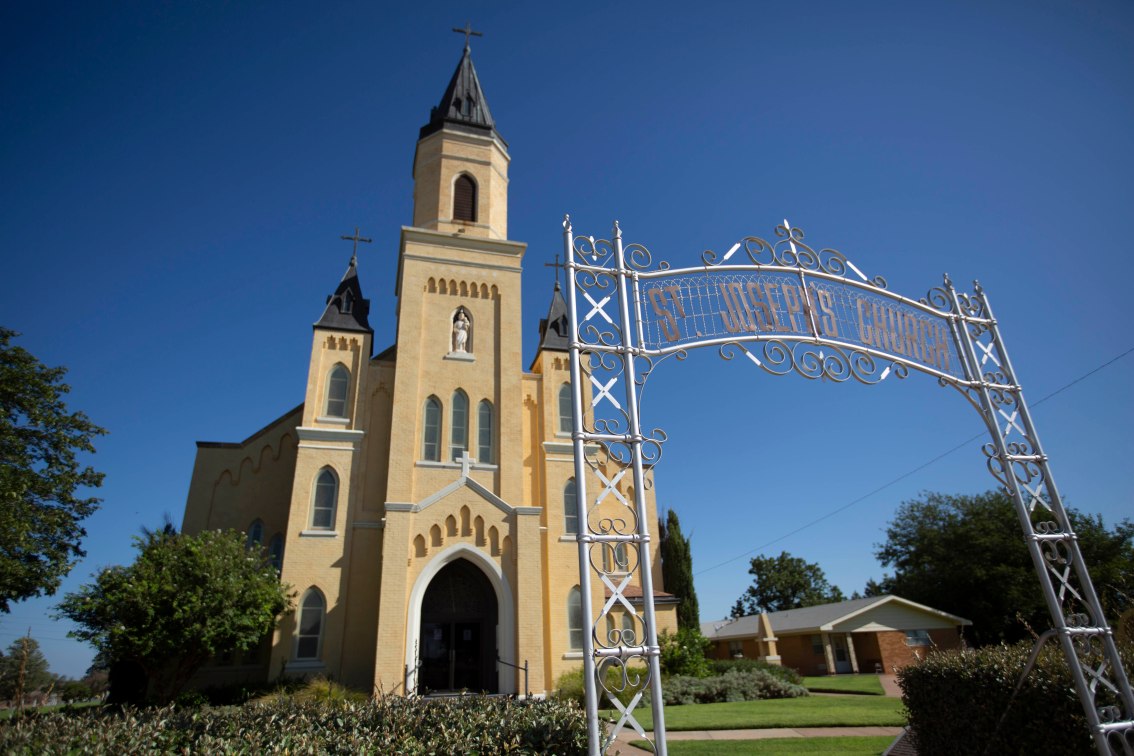
Homily for the Twenty-second Sunday in Ordinary Time
Celebration of the 130th anniversary of St. Joseph Parish
August 31, 2025
St. Joseph Catholic Church
Rhineland, Texas
Sirach 3:17-18, 20, 28-29
Psalm 68:4-5, 6-7, 10-11
Hebrews 12:18-19, 22-24a
Luke 14:1, 7-14
“God in your goodness, you have made a home for the poor.” Our responsorial psalm for today’s Mass, taken from Psalm 68, describes the essence of the prayer life of Father Reisdorf’s vision and labor in the foundation of this parish and the community of Rhineland that this parish has served for one hundred and thirty years.
Read more…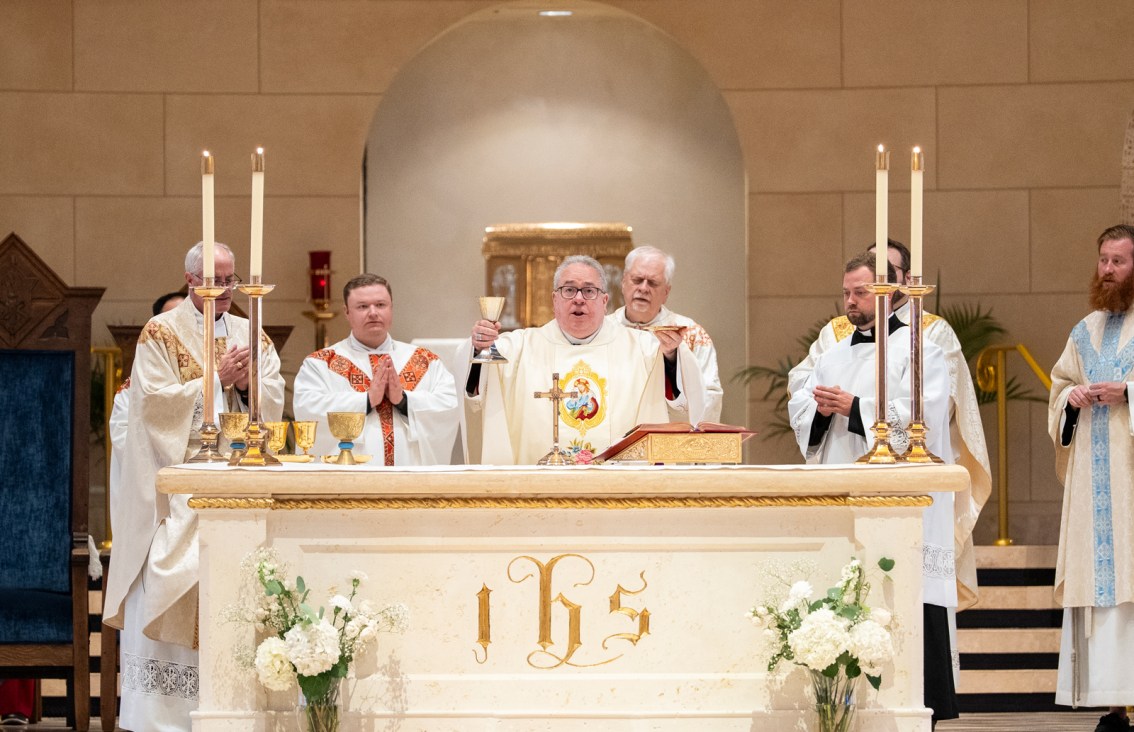
Homily for the Mass for the Convocation of Teachers of the Schools of the Diocese of Fort Worth
Memorial of Saint John Vianney
August 4, 2025
St. Elizabeth Ann Seton Catholic Church
Keller, Texas
Numbers 11:4b-15
Psalm 81:12-13, 14-15, 16-17
Matthew 14:13-21
Sing with joy to God our help!
In our Gospel reading, we see the disciples come to Jesus with what they surmise to be a problem. The disciples tell Jesus, “This is a deserted place, and it is already late; dismiss the crowds so that they can go to the villages and buy food for themselves.”
Read more…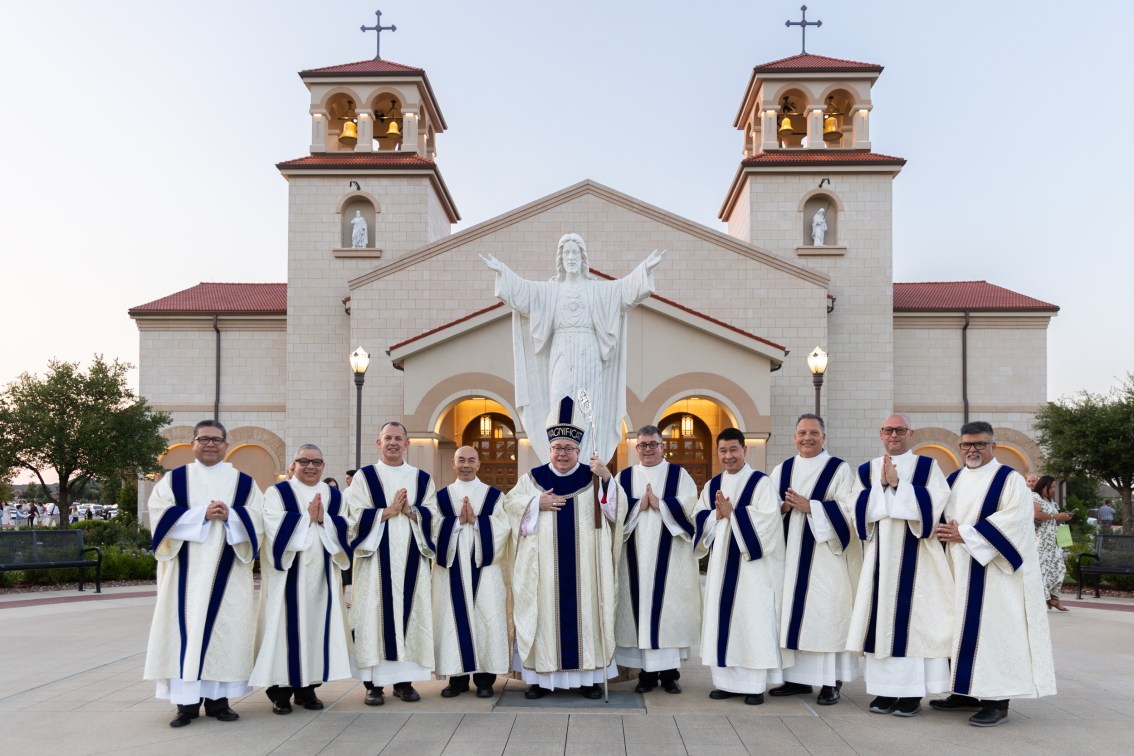
Homily for the Ordination of Permanent Deacons
Feast of Saint Dominic
August 8, 2025
St. Mark Catholic Church
Argyle, Texas
Jeremiah 1:4-9
Psalm 100:1b-2, 3,4, 5
Acts 6:1-7b
John 12:24-26
Today, the Church gathers us together to celebrate the ordination of these seven men, whom with the support and encouragement of their wives and families, have presented themselves and been called by the Church to serve as permanent deacons. We do so today on the Feast of Saint Dominic, founder of the Order of Preachers, who is honored and recognized by the Church as a saint who dedicated his entire life as a mendicant priest to charity and to preaching the Good News of Jesus Christ. He is certainly an example and friend for our new deacons who today are ordained as ministers of the Word, ministers of the Altar, and ministers of Charity.
Read more… Life on the Chrism Trail
You must be logged in to post a comment.