
Homily for the Twenty-fifth Sunday of Ordinary Time
September 24, 2023
St. Patrick Cathedral
Fort Worth, Texas
Isaiah 55:6-9
Psalm 145:2-3, 8-9, 17-18
Philippians 1:20c-24, 27a
Matthew 20:1-16a
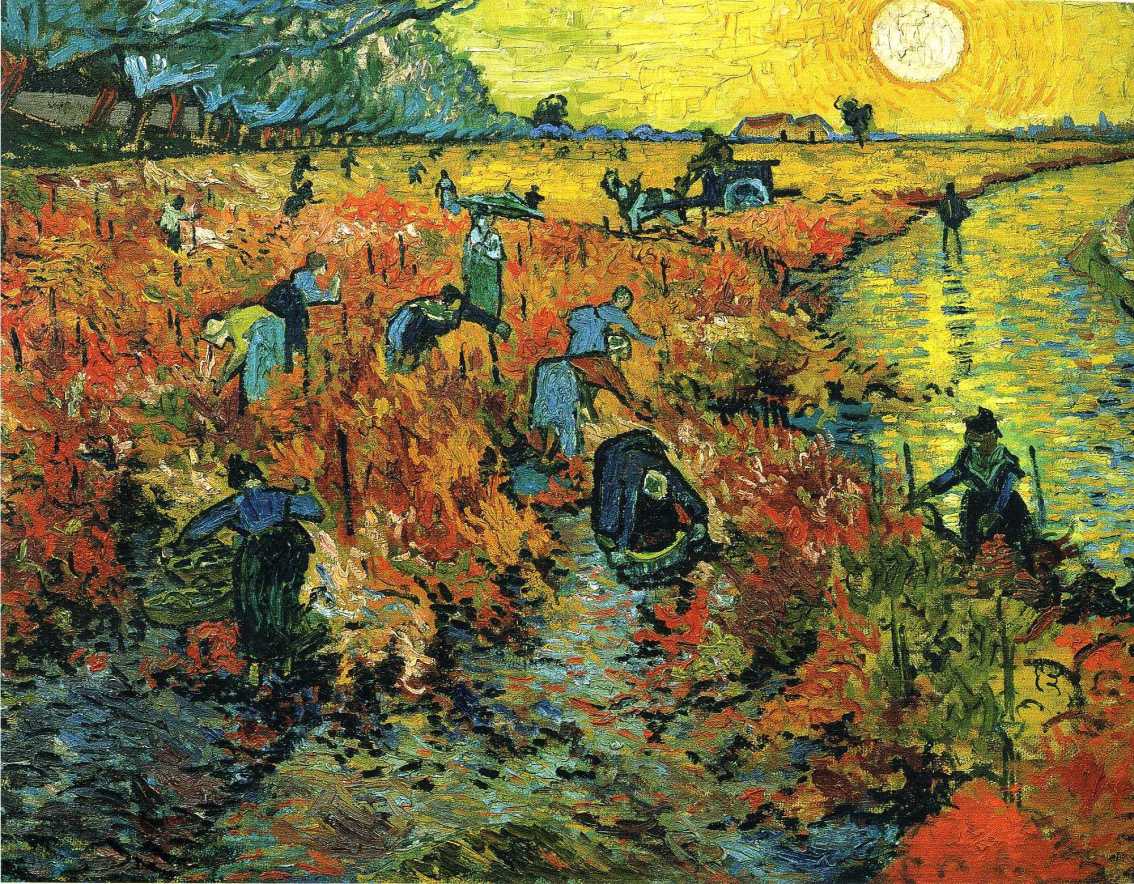
In the Gospel reading for today, Jesus teaches with a parable that underlines the overwhelming generosity and mercy of God announced by Isaiah in our first reading. The workers who arrive late at the vineyard refer to the outcasts separated from the fullness of the religious life of Israel, while those who work all day can be taken as those dutiful to the Law of God in their lives.
These dutiful and law-abiding people were continually offended at Jesus’ interaction with the outcasts and the unclean, or the scoundrels and wicked as Isaiah calls them. These are lazy people who are indifferent to responsibility, and the common perception of the law-abiding in the parable is that these people have no place in the vineyard, let alone a claim on equal pay for less work. Yet, those who have worked for the entire day remain dissatisfied with their wage, even though it is just and merciful. Through the parable, Jesus challenges such thinking among those listening to His parable. He is both kind and stern. He speaks to the heart of their dissatisfaction. “Are you envious because I am generous?” To receive a call to labor in the vineyard of the Lord is itself an unmerited gift, a great grace. The mercy of the Lord of the vineyard is that He desires everyone to be employed in some way in His vineyard.
In our life in the Church in the United States, today is Priesthood Sunday. This is a day for us to pray for priests in their ministry and in their vocation. The priesthood is a call from the Lord to labor in His Vineyard, on His terms. We especially pray for all priests that they are mindful with gratitude for their vocations as free gifts of God’s grace and not simply as a laborious service that they undertake on their own initiative. In the words of Saint John Paul II, “that we priests do not become more focused upon the work of the Lord instead of our relationship with the Lord of the work.”
Saint Paul shows us in writing to the Philippians, the nature of this pastoral love that is to be expressed by a priest for the flock of the Lord. Through his ministry and vocation, he makes known the right relationship of justice and mercy that he has received from God to be lived for the flourishing of the Church: “I long to depart this life and be with Christ, for that is far better. Yet that I remain in the flesh is more necessary for your benefit.” This right relationship is sacramental and sacrificial as lived by Paul for the sake of God’s People. This pastoral relationship of the Apostle is a service that is indispensable to Christ’s plan to bring about the justice and mercy offered by the Lord of the vineyard to each of its laborers. Priests are called in a special way in their very being to preach and to administer this justice and mercy sacramentally for all the baptized. This is what Saint John Vianney intended purely when he said, “The priesthood is the love of the Heart of Jesus Christ. When you see a priest, think of our Lord Jesus Christ.”
The parable speaks more broadly about the baptismal call to discipleship, yet the priesthood is indispensable for others to be sustained in discipleship. Only those who are willing to love the Lord and take the risk of saying “yes” to this baptismal call to labor in His Vineyard in the way that the Lord desires understand the priceless reward of collaborative service in the mission of the Lord’s vineyard. Those who instead work only for immediate satisfaction are unable to recognize the value of being invited to work with and for Him. God reserves the gift of eternal life for each and all people, so wide is God’s mercy. Yet, the parable teaches us that those who are “last,” if they accept the Lord’s invitation become the “first,” but the “first” can ungratefully lose sight of the call and become the “last.”
An example of such a call and response is that of Saint Matthew. Matthew was concerned about success on his own terms, greedy and indifferent to the Commandments of the Old Covenant. Then Jesus encountered him at his counting table, looked at him and said to him: “Follow me.” Matthew rose and followed Him. From a greedy cheat he immediately was converted and became a disciple of Christ. From being “last” he found himself “first,” thanks to God’s logic incarnate in Jesus Christ, which – for our salvation – is different from the logic of the world. “My thoughts are not your thoughts,” the Lord says, speaking through the mouth of Isaiah, “neither are your ways my ways.”
Christ shows us in His full humanity, through His words, through His actions, and through His Cross, what human thinking, human speaking, and human acting in unity with the high thoughts and lofty ways of the Father looks like. Christ’s gift to us of the Holy Spirit at Pentecost with His accompanying gifts and graces enables us to think, to speak, and to act according to the high thoughts and lofty ways of God. We enter intimately into that mystery of the Cross through the Sacrifice of the Mass, offered unworthily by the priest for the salvation of all. Through His generosity and grace His thoughts and ways soon transform our thoughts, our ways, our words, and our actions. For Jesus Christ is the answer to the prayer expressed in the 145th Psalm we prayed today: “the Lord is near to all who call on Him.”
 Life on the Chrism Trail